Tiempo de las Américas | Time of the Americas
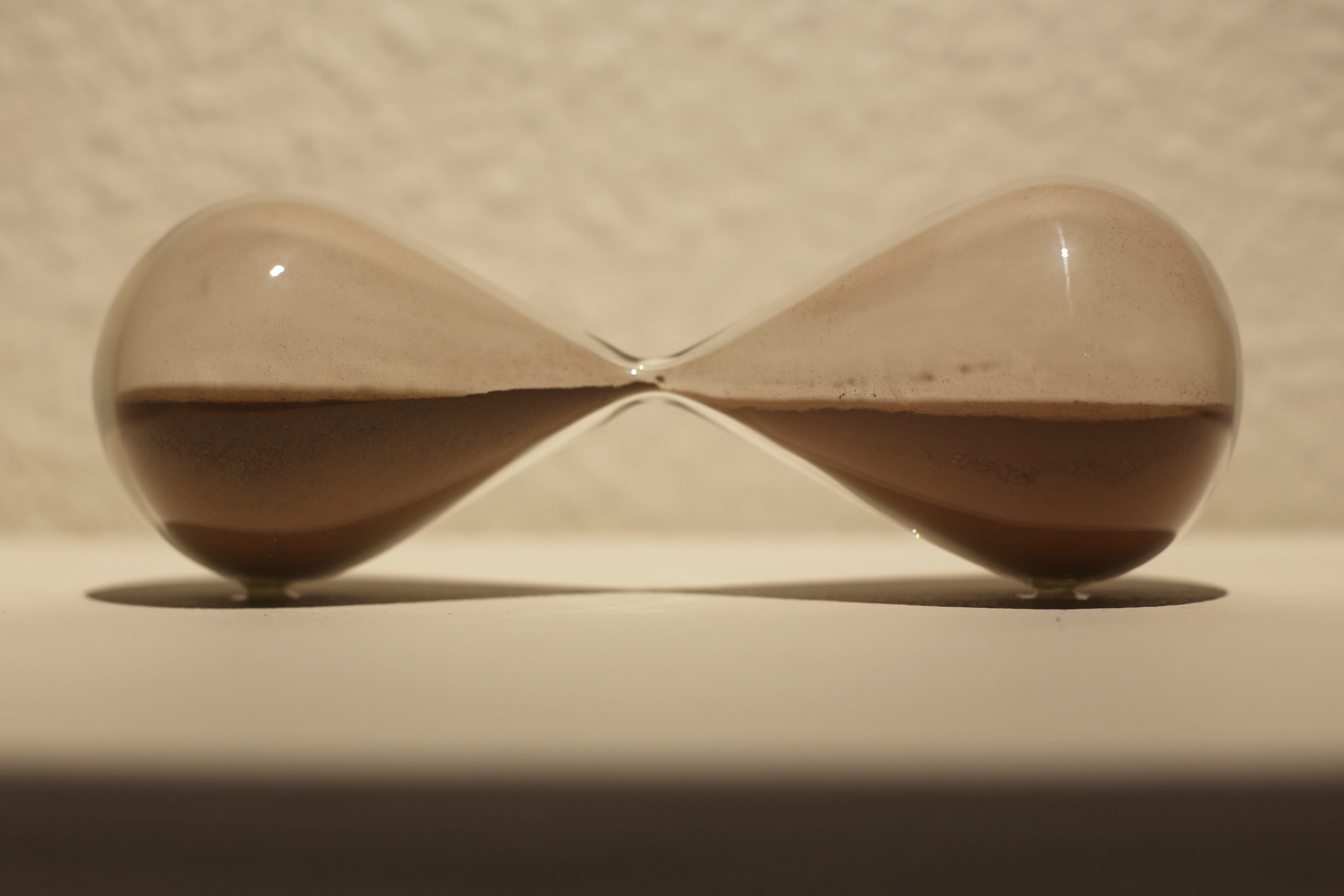
El reloj de arena, fabricado en vidrio soplado en un taller de Segovia (España) contiene tierras del norte y del sur de Panamá. La obra alude a la curación de la brecha geográfica y cultural que representa el canal, remitiéndose a un ritual de sanación que los pueblos indígenas americanos realizan en sus ceremonias. Cuestiona la separación forzada de territorios impuesta por poderes económicos que no respetan a la naturaleza. La horizontalidad del objeto hace visible esta separación insinuando a su vez una posible unión de territorios o al menos, la búsqueda de un equilibrio.
The hourglass, hand-blown in a glass workshop in Segovia (Spain), contains soil from the north and south of Panama. The work alludes to the healing of the geographical and cultural breach embodied by the canal, referencing a mending ritual performed by Indigenous American peoples in their ceremonies. It challenges the forced separation of territories, imposed by economic powers that show no respect for nature. The object’s horizontality makes this division visible while suggesting a possible reunification of lands or, at the very least, the pursuit of a balance.
Tiempo de las Américas
Time of the Americas
2017
Reloj de arena, tierra del lado sur de Panamá, tierra del lado norte de Panamá
Hourglass, soil from the southern side of Panama, soil from the northern side of Panama
10 x 23 x 10 cm